Tick Prevention for Dogs at Parks (2026): Protect Against Lyme & More
A guide to tick prevention for dogs at US parks, where ticks lurk, the diseases they spread (Lyme, ehrlichiosis, RMSF), prevention products, how to check and remove ticks.
For dog owners across much of the US, ticks aren’t just an itchy nuisance — they spread serious disease, from Lyme to Rocky Mountain spotted fever, and tick ranges are expanding into new regions every year. The reassuring news is that with good tick prevention for dogs and a simple checking routine, you can let your dog enjoy grassy, wooded parks while keeping the risk very low. This guide explains where ticks lurk, the diseases they carry, how to protect your dog, and the warning signs that demand a vet visit.
Heading out? Browse the directory to find a park near you, or open the live map — just remember to check your dog afterward.
Why ticks are such a serious risk
Most tick trouble comes not from the bite itself but from what ticks carry. Across the US, the main culprits and their diseases include:
- Blacklegged (deer) tick — Lyme disease and anaplasmosis, heavily in the Northeast, upper Midwest, and parts of the Pacific coast.
- American dog tick — Rocky Mountain spotted fever and, occasionally, tick paralysis.
- Lone Star tick — ehrlichiosis, spreading through the Southeast and East.
- Brown dog tick — ehrlichiosis and RMSF; uniquely, it can infest homes and kennels nationwide.
- Gulf Coast tick — found across the South and along the Gulf.
Many of these infections don’t show up right away. A dog can seem fine for days or weeks, then develop fever, lameness that shifts from leg to leg, lethargy, swollen joints, or loss of appetite. That delay is exactly why prevention and prompt tick removal matter so much.
Ticks thrive in exactly the kinds of places dogs love to explore — tall grass, leaf litter, brush, and the wooded edges of parks and trails. Wildlife like deer and mice keep tick populations going, so any park bordering woods or open space is potential tick territory. Ticks are most active from spring through fall, and year-round in the South and in mild winters, which is why the modern advice is year-round prevention rather than seasonal.
Choosing a tick preventative
The foundation of tick safety is a reliable, vet-recommended preventative, and there are several good options to discuss with your vet. Modern chewable tablets are popular and convenient, killing ticks before they can transmit disease, and they come in monthly or longer-acting forms. Spot-on treatments applied to the skin and tick-repelling collars are also effective, and some owners use a combination for extra protection in high-risk areas. There’s also a Lyme vaccine for dogs that may be worth discussing if you live in or travel to Lyme country. The best plan depends on your dog, your region, and your lifestyle, so it’s well worth a conversation with your vet rather than guessing.
The crucial thing to understand is that no product is completely foolproof. Preventatives dramatically reduce the risk, but they don’t replace the need to physically check your dog. Think of prevention and checking as two halves of the same routine — the product buys you time and kills attached ticks, while your search catches anything the product missed before it can do harm.
Checking your dog after every visit
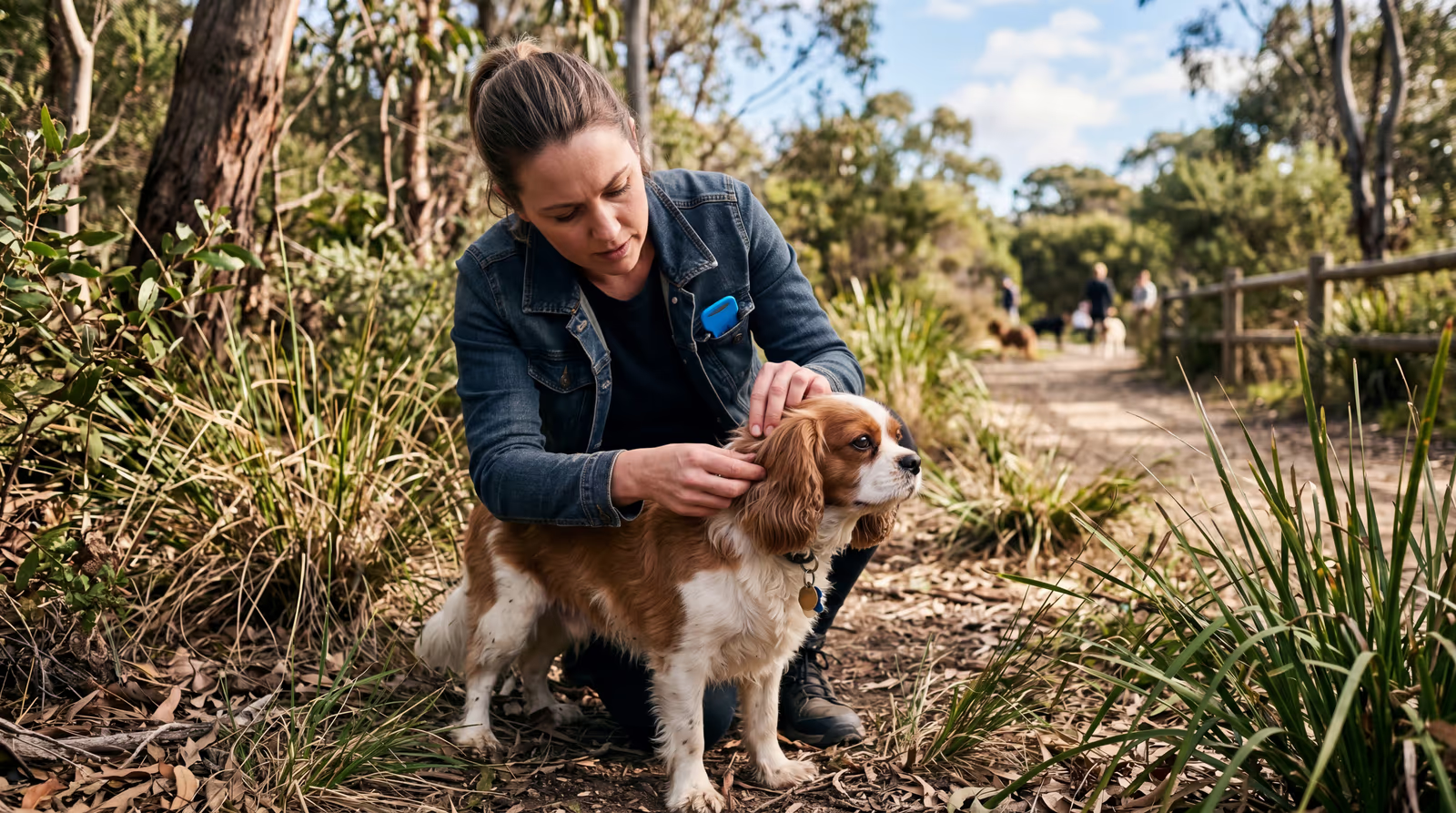
Getting into the habit of a thorough tick check after every walk in tick country is one of the most protective things you can do, and it only takes a few minutes. Run your fingertips slowly through your dog’s coat, right down to the skin, feeling for any small lump or bump that shouldn’t be there. A tick can be tiny when it first attaches — a deer tick nymph is the size of a poppy seed — and swells as it feeds, so you’re feeling for anything from a speck to a swollen pea.
Pay particular attention to the spots ticks favor: the head, ears, and the skin around the eyes; the chin and lips; the neck and chest; the armpits and groin; and between the toes. Don’t forget inside and around the ears, which are easy to overlook. In high-tick regions during the warmer months, a daily search is the gold standard, especially for long-coated dogs where ticks are harder to spot.
Removing a tick safely
If you find a tick, stay calm and remove it promptly and correctly. The best tool is a purpose-made tick remover or a pair of fine-tipped tweezers. Grasp the tick as close to your dog’s skin as you can, then pull straight out with steady, even pressure. The things to avoid are twisting, jerking, or squeezing the tick’s body — all of which can push more saliva (and pathogens) into the wound or leave mouthparts behind. Once it’s out, clean the area with a little antiseptic and keep an eye on it. The sooner a tick comes off, the lower the disease risk: many infections take a day or more of attachment to transmit.
Note the date you removed it, and watch your dog over the following weeks. If they later develop fever, limping, lethargy, or loss of appetite, tell your vet about the tick bite — tick-borne illness often appears well after the tick is gone.
A note on tick paralysis
Less common in the US than tick-borne disease, but worth knowing: certain attached female ticks (notably the American dog tick and Rocky Mountain wood tick) can release a neurotoxin that causes a creeping tick paralysis — typically a wobbly, weak back end progressing forward, with changes to the bark or breathing. The good news is that removing the offending tick usually reverses it, often within a day. Any sudden weakness or unsteady gait in a dog who’s been in tick country is a reason to search thoroughly for a tick and call your vet right away.
Frequently asked questions
How do I protect my dog from ticks at the park?
Keep your dog on a year-round, vet-recommended tick preventative, stick to mowed paths and away from tall grass and woods, and check your dog thoroughly after every visit. In high-tick regions like the Northeast and upper Midwest, prevention plus regular searching is essential, because no product is 100% reliable on its own.
What diseases do ticks spread to dogs in the US?
US ticks can transmit Lyme disease, ehrlichiosis, anaplasmosis, Rocky Mountain spotted fever, and babesiosis, among others. Some also cause a rarer tick paralysis. Many infections show up days to weeks later as fever, lameness, lethargy, or loss of appetite, which is why prevention and prompt removal matter so much.
How do I check my dog for ticks?
Run your fingertips slowly through your dog’s coat, right down to the skin, feeling for any small lump. Pay special attention to the head, ears, neck, chin, lips, armpits, and between the toes, where ticks often attach. Do this after every walk in tick country, ideally daily in the warmer months.
How do I remove a tick from my dog?
Use a tick-removal tool or fine tweezers to grasp the tick as close to the skin as possible, then pull straight out with steady pressure without twisting or squeezing the body. Clean the area afterward. If your dog later shows fever, lameness, or lethargy, contact your vet, as tick-borne illness can appear days to weeks after a bite.
Prevention is everything
Ticks are a serious risk, but they’re a manageable one. With a good year-round preventative, sensible habits around tall grass and woods, and a quick check after every park visit, you can keep your dog safe and still enjoy all the grassy, wooded places they love. Learn the warning signs of tick-borne illness, act fast if you ever see them, and lean on your vet for the right prevention plan for your region.
Find a park near you on Dog Park Finder USA →, and pair this with our guides to summer safety and overall dog park health risks to keep your dog protected all year.
Compare nearby dog parks before you leave
Open the directory to check fenced status, reviews, photos, map distance, and local park details across the USA.
Keep reading

Dog Parks and Senior Dogs (2026): Keeping Older Dogs Happy and Safe
A caring guide to dog parks for senior dogs, the benefits, how to adapt visits for an older dog, protecting joints, reading their cues, and gentle alternatives.

Dog Park Health Risks (2026): What to Watch For and How to Stay Safe
A complete guide to dog park health risks — the infectious diseases, parasites, injuries and hazards to watch for, who's most at risk, and how to keep your dog safe.