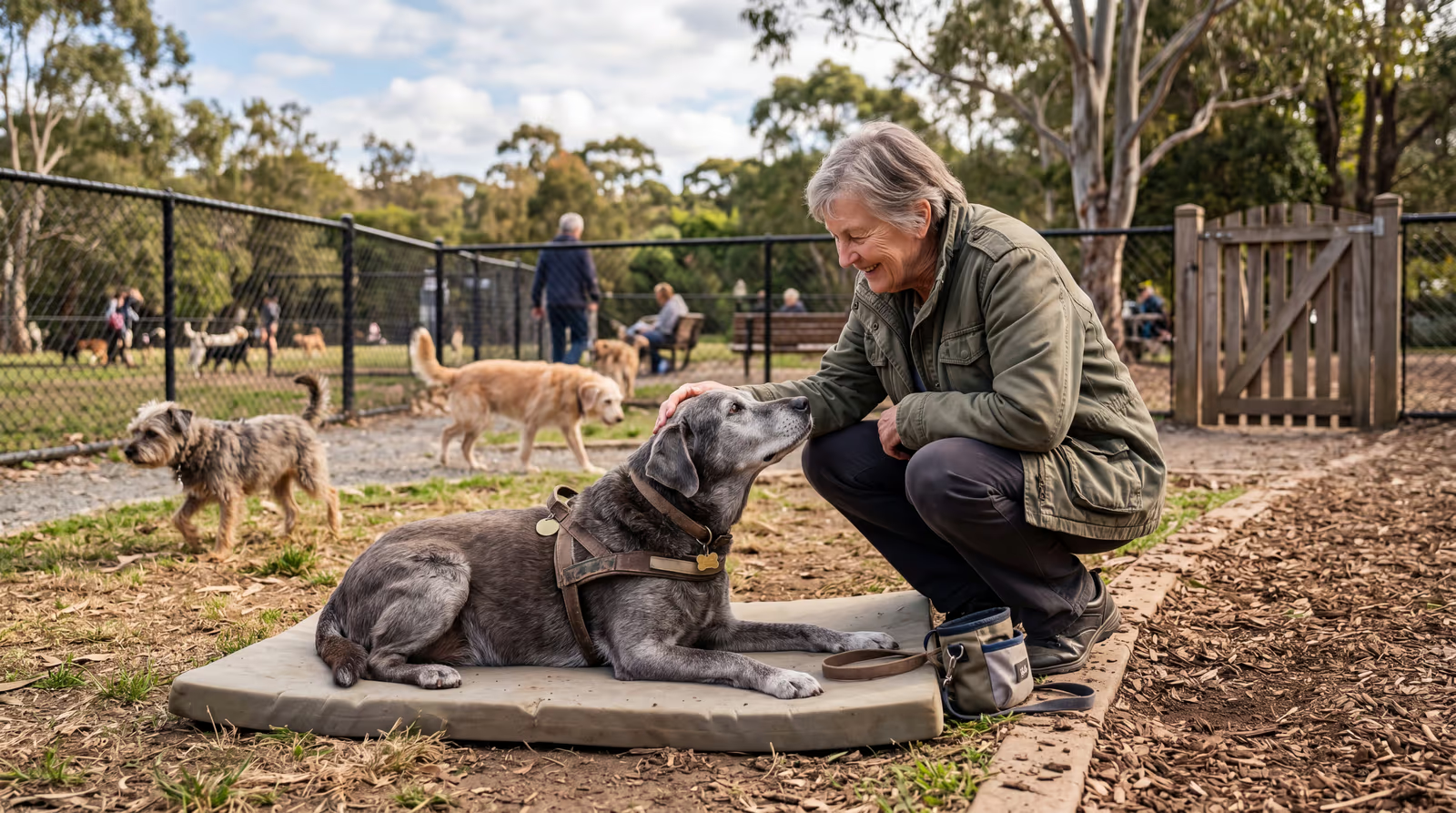
Dog Parks and Senior Dogs (2026): Keeping Older Dogs Happy and Safe
A caring guide to dog parks for senior dogs, the benefits, how to adapt visits for an older dog, protecting joints, reading their cues, and gentle alternatives.
Watching a grey-muzzled dog trot happily around the park is one of the great joys of dog ownership, and there’s no reason your senior dog should miss out on the fun. Staying active is wonderful for an older dog’s body and mind, it keeps joints mobile, maintains muscle, wards off boredom and lifts the spirits. The trick is simply to adapt the experience to their changing needs, so the park stays a pleasure rather than becoming a strain. This guide is about senior dogs at the dog park: keeping your older dog happy, comfortable and safe for as long as they’re enjoying it.
Looking for a calm spot? Browse the directory to find a quiet park near you, or open the live map.
Why staying active matters for older dogs
It’s tempting to wrap a senior dog in cotton wool, but gentle, regular activity is one of the best things you can do for them. Movement keeps arthritic joints supple, helps maintain the muscle that supports those joints, and manages weight, which in turn reduces the load on an ageing frame. Just as importantly, getting out into the world provides the mental stimulation and social contact that keep an older dog bright and engaged rather than slipping into a flat, sedentary decline. A good park visit ticks all of those boxes at once, which is why so many senior dogs continue to love it well into their twilight years.
The goal shifts as your dog ages, though. Where a young dog goes to the park to burn off boundless energy, a senior dog goes for gentle exercise, a good sniff and a bit of pleasant company. Keeping that in mind helps you shape visits that suit who your dog is now.
Adapting the visit to your dog’s age
The simplest and most effective adjustment is timing. Quieter periods, a calm weekday morning, say, mean fewer boisterous young dogs and a more relaxed atmosphere that suits an older dog far better than the high-octane after-work rush. Your senior dog can potter, sniff and socialize at their own pace without being bowled over by a pack of adolescents.
Keeping sessions shorter is the next adjustment. Many older dogs simply don’t know when to stop; they’ll push on out of enthusiasm and then pay for it with stiffness and soreness the following day. It falls to you to build in rest and to call time before your dog overdoes it. Short and frequent beats long and exhausting every time, and gentle consistency is far kinder to ageing joints than the occasional big effort.
Surface and shade matter more, too. Soft grass is far easier on old joints than gravel or hard ground, and a shady spot for breaks helps a dog whose temperature regulation isn’t what it used to be. On hot or cold days, be especially conservative, older dogs feel extremes more keenly, so check the weather and don’t be afraid to swap the park for something gentler.
Protecting your senior dog at the park
A big part of caring for an older dog at the park is running interference for them. Senior dogs are vulnerable to being knocked over or jostled by exuberant younger dogs, and a collision that a sturdy adolescent shrugs off can genuinely hurt a frail older dog or shake their confidence. So stay close, keep an eye on the play around your dog, and don’t hesitate to step in and create some space if things get too rough. There’s no need to apologise for advocating for your dog, most owners understand completely.
It’s also worth being honest about whether the busy off-leash area is even the best fit on a given day. Plenty of senior dogs are perfectly happy ambling along beside you, sniffing the edges, rather than diving into the scrum. If that’s your dog, let them have the gentler experience they prefer; the company and the change of scenery are valuable in themselves, even without the wrestling.
Reading your older dog’s cues
As dogs age, learning to read their signals becomes especially important, because they can’t tell you when something hurts. Watch for stiffness or limping, a reluctance to get up or jump, lagging behind on the walk, excessive panting, or a dog who simply seems to have had enough and drifts towards the gate. These are all cues to wrap things up. Over time you’ll also notice subtler changes, perhaps your dog tires faster than they used to, or prefers shorter, calmer visits, and following their lead keeps the park a positive place rather than one associated with discomfort.
If you notice persistent stiffness, difficulty moving, or a sudden drop in enthusiasm for activities your dog used to love, it’s worth a chat with your vet. Arthritis and other age-related conditions are common, manageable, and much easier on your dog when caught early, and good pain management can give an older dog a real new lease on life at the park.
Gentle alternatives when the park is too much
There will come days, and eventually a stage, when a busy park is more than your senior dog needs, and that’s perfectly fine, there are lovely alternatives that keep an older dog active and content. Gentle on-leash walks and slow sniffaris let your dog explore and use their nose without the impact of hard play. A quiet, solo visit to a fenced park gives them safe off-leash freedom at their own pace. Swimming or professional hydrotherapy is wonderful for arthritic dogs, supporting their weight while they move. And plenty of brain-based enrichment at home, food puzzles, scent games and gentle training, keeps an older mind sharp on the days when staying in is the kindest option.
Frequently asked questions
Can senior dogs still go to the dog park?
Absolutely, and many love it. The key is to adapt the visit to their age, choose quieter times, keep sessions shorter and gentler, protect them from rough play, and watch for signs of fatigue or discomfort. For a healthy, mobile older dog, a calm park visit is wonderful physical and mental exercise.
How do I protect my older dog from rough play at the park?
Visit at quiet times away from packs of boisterous young dogs, stay close so you can intervene, and don’t hesitate to step between your dog and over-the-top play. Many senior dogs prefer a sniff and a gentle wander to wrestling, so it’s fine to keep them moving with you rather than in the thick of it.
Is the dog park too much exercise for an old dog?
It can be if you let them overdo it. Older dogs often don’t know when to stop and can pay for it with sore joints the next day. Keep sessions short, build in rest, and watch for stiffness, lagging or heavy panting. Gentle, regular activity is better for them than occasional big efforts.
What are good alternatives to the dog park for senior dogs?
Gentle on-leash walks and sniffaris, quiet solo time at a fenced park, swimming or hydrotherapy (lovely and low-impact for arthritic joints), and brain-based enrichment at home all keep an older dog happy and engaged without the strain of a busy park.
Cherish the golden years
Senior dogs have given us their best years, and keeping them gently active is one of the kindest things we can do in return. Adapt the park to suit them, quieter times, shorter sessions, soft ground, and a watchful eye, and your older dog can keep enjoying the sniffs, the sunshine and the gentle company for a long time yet. Follow their lead, protect them from the rough stuff, and lean on gentler alternatives when they need them.
Find a calm, senior-friendly park near you on DogParkFinder →, with off-leash zones, fencing and reviews, or open the live map. For little oldies, our small dogs guide has more.
Compare nearby dog parks before you leave
Open the directory to check fenced status, reviews, photos, map distance, and local park details across the USA.
Keep reading
Tick Prevention for Dogs at Parks (2026): Protect Against Lyme & More
A guide to tick prevention for dogs at US parks, where ticks lurk, the diseases they spread (Lyme, ehrlichiosis, RMSF), prevention products, how to check and remove ticks.
Dog Park Health Risks (2026): What to Watch For and How to Stay Safe
A complete guide to dog park health risks — the infectious diseases, parasites, injuries and hazards to watch for, who's most at risk, and how to keep your dog safe.