Dog Park Health Risks (2026): What to Watch For and How to Stay Safe
A complete guide to dog park health risks — the infectious diseases, parasites, injuries and hazards to watch for, who's most at risk, and how to keep your dog safe.
Dog parks are wonderful for exercise and socialization, but sharing ground, water, and air with dozens of other dogs does carry some risk. The good news: the dog park health risks worth knowing about are nearly all preventable, and a fully vaccinated, parasite-protected adult dog faces very low odds of trouble. This guide walks through the infectious diseases, parasites, injuries, and hazards to watch for, who’s most vulnerable, and the simple habits that keep your dog safe.
For the official picture on disease and prevention, the CDC’s healthy-pets guidance and the AVMA’s pet-owner resources are excellent references — and your own vet is the final word on what your dog needs.
Dog Park Health Risks: Infectious Diseases
The most talked-about dog park health risks are contagious illnesses, spread dog-to-dog or through shared surfaces. The main ones:
- Kennel cough (canine infectious respiratory disease): the most common, spread through the air; usually mild but unpleasant, and the Bordetella vaccine reduces risk.
- Parvovirus: a serious, sometimes fatal gut virus that survives in soil for months — which is why unvaccinated puppies should never visit dog parks.
- Canine influenza: a flu-like respiratory illness that spreads in outbreaks; a vaccine exists for at-risk dogs.
- Leptospirosis: a bacterial infection spread through standing water and wildlife urine, with a widely available vaccine.
The common thread is that up-to-date vaccinations dramatically reduce the risk, which is exactly why parks expect them. The AKC’s overview of kennel cough and canine respiratory disease is a useful primer. Talk to your vet about which non-core vaccines (Bordetella, flu, lepto) make sense for a park-going dog.
Dog Park Health Risks from Parasites
Parasites are the other major category of dog park health risks, and they’re equally manageable. Intestinal worms (roundworm, hookworm, whipworm) spread through contaminated feces, which is one more reason picking up matters. Giardia, a microscopic gut parasite, loves shared water bowls and puddles and causes stubborn diarrhea. Fleas and ticks hop aboard in grassy areas — ticks especially, since they transmit diseases like Lyme; our tick prevention guide covers checks and protection.
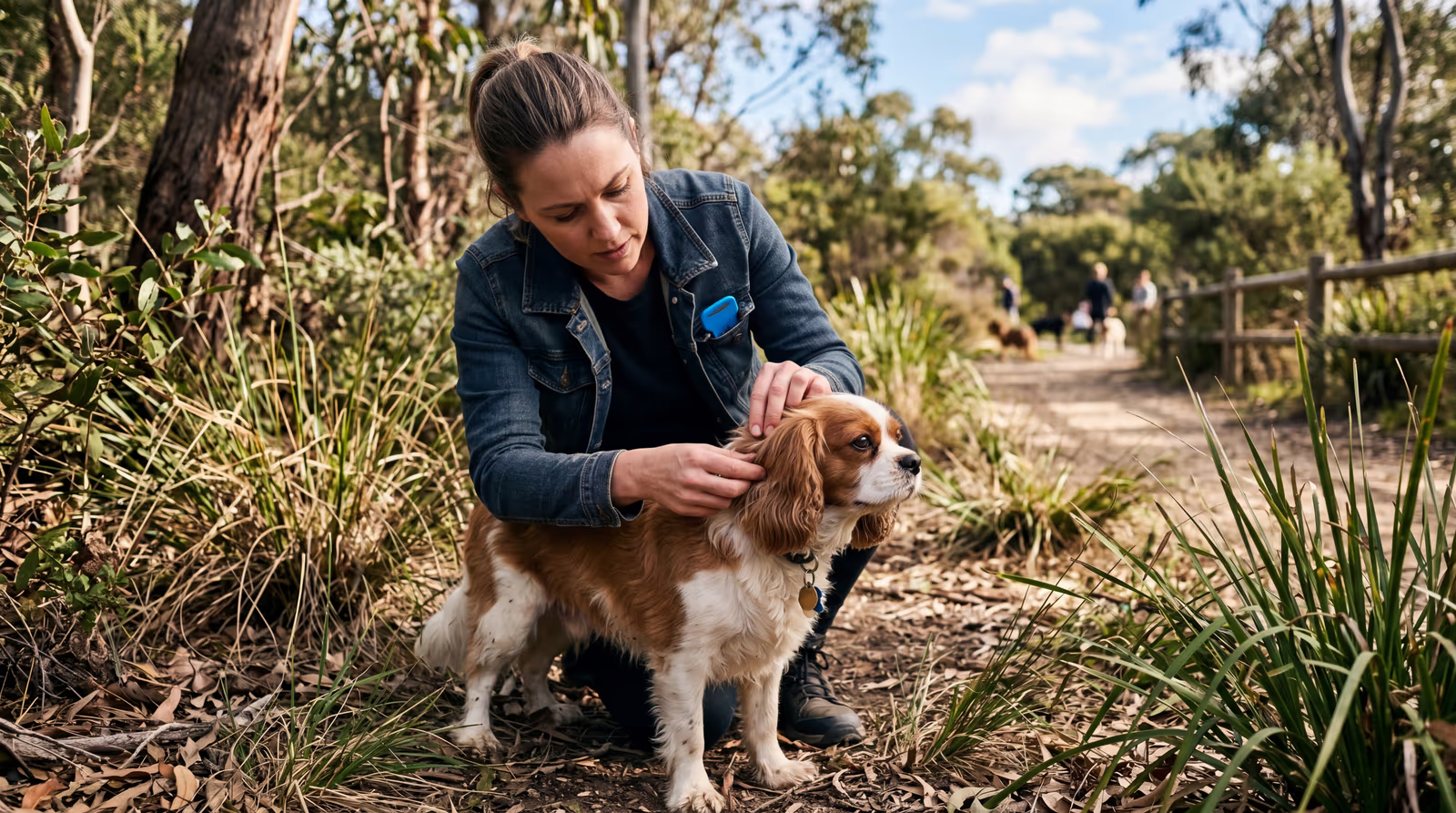
Year-round parasite prevention (a vet-recommended flea/tick and worming protocol) handles nearly all of this. Add two simple habits: bring your own water so your dog skips the communal bowl, and check your dog over after each visit for ticks, burrs, and anything amiss. These two moves alone eliminate a big share of parasite risk.
Dog Park Health Risks: Injuries & Hazards
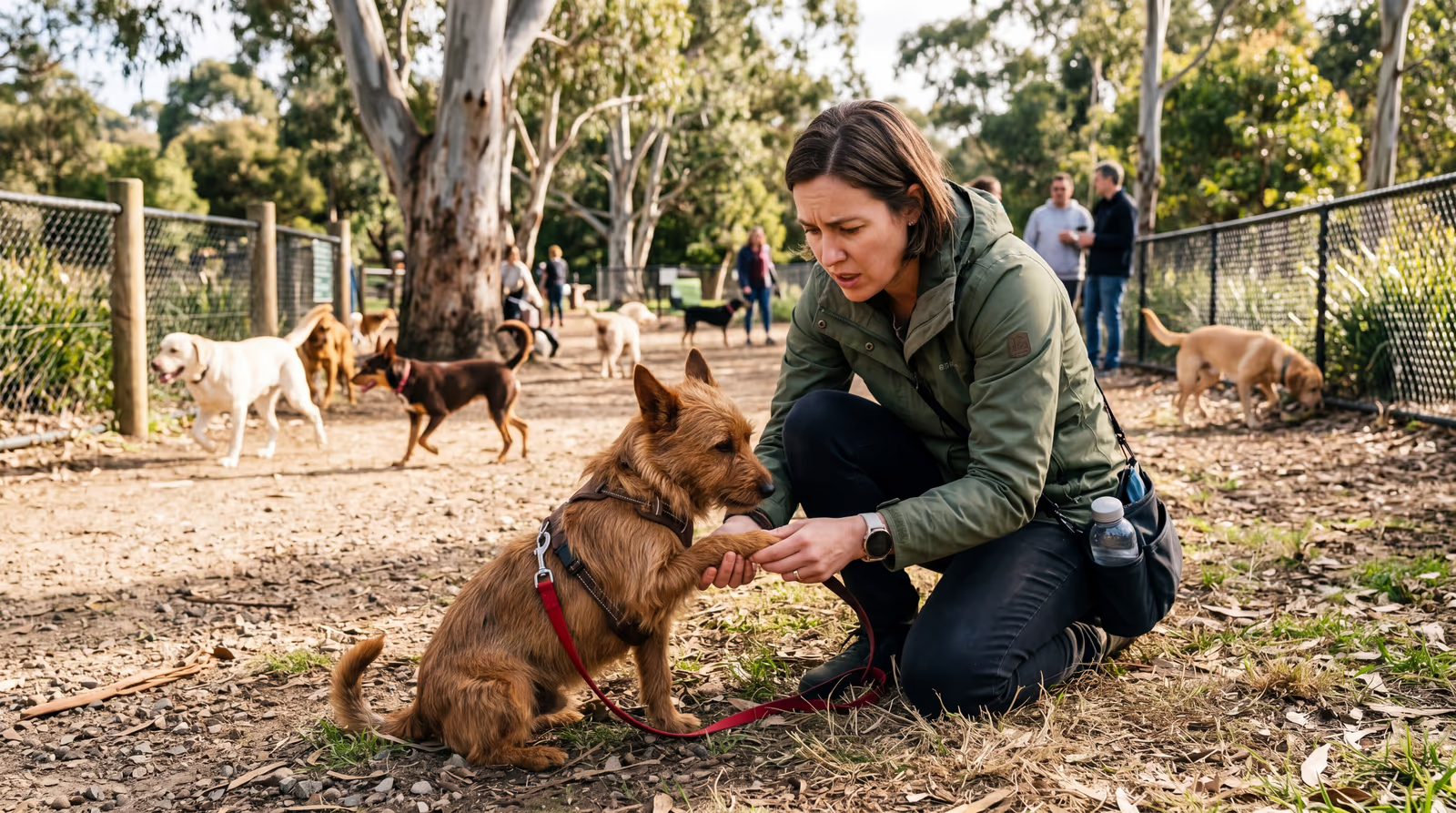
Not every risk is microscopic. Play injuries are common — torn pads, sprains, and the occasional bite wound from rough or mismatched play. Heat is a serious seasonal hazard, especially for flat-faced and older dogs (see our summer safety guide). Other hazards include overgrown brush hiding snakes or sharp debris, aggressive encounters from poorly supervised dogs, and resource guarding sparked by toys or treats brought into a shared space.
Most of these are avoidable with good supervision and sensible choices: match playmates by size and energy, step in before play turns rough, avoid the park in dangerous heat, and keep high-value toys at home. Knowing basic dog park first aid means you can handle the minor injuries that do happen, and choosing a fully fenced park removes the worst-case risk of a dog bolting into traffic.
Common Dog Park Illnesses at a Glance
It helps to see the main infectious dog park health risks side by side — how they spread, and how you prevent them:
| Illness | How it spreads | Severity | Main prevention |
|---|---|---|---|
| Kennel cough | Airborne, dog-to-dog | Usually mild | Bordetella vaccine |
| Parvovirus | Contaminated soil/feces | Serious, often fatal | Core vaccination (never bring unvaccinated puppies) |
| Canine influenza | Airborne, outbreaks | Mild to moderate | Flu vaccine for at-risk dogs |
| Leptospirosis | Standing water, wildlife urine | Serious | Lepto vaccine, avoid puddles |
| Giardia | Shared water, feces | Mild but stubborn | Bring own water, parasite control |
| Intestinal worms | Contaminated feces | Variable | Year-round worming |
| Fleas & ticks | Grass, other dogs | Variable (tick-borne disease) | Year-round flea/tick prevention |
The pattern is unmistakable: vaccination and parasite prevention neutralize almost everything on this list. A dog who’s current on both faces a small fraction of the risk an unprotected dog does, which is precisely why responsible parks expect proof before entry.
Seasonal Dog Park Health Risks
Some dog park health risks rise and fall with the calendar. Summer brings the most dangerous one of all — heat, which can cause heatstroke in minutes, especially for flat-faced and older dogs (our summer safety guide is essential reading). Warm months also peak for ticks and fleas (see our tick prevention guide), and in some regions, snakes sheltering in long grass (our snake safety guide covers the precautions). Spring and fall bring muddy ground and standing water that favor leptospirosis and giardia, while winter shifts the hazards to ice, road salt on paws, and cold stress (our winter guide has the details). Matching your caution to the season — extra water and early hours in summer, paw care in winter — keeps your dog safe year-round.
Who’s Most at Risk — and Reducing Dog Park Health Risks
Some dogs face higher dog park health risks than others. Puppies (incompletely vaccinated, fragile immune systems), senior dogs and those with chronic illness or weak immunity, unspayed females in heat, and unvaccinated dogs should all skip busy public parks or wait until they’re protected. For everyone else, a short, consistent prevention routine keeps the odds firmly in your favor:
- Keep vaccinations and parasite prevention current
- Bring your own water; skip communal bowls
- Stay home if your dog is unwell, injured, or in season
- Supervise play and step in early
- Check your dog over for ticks and injuries afterward
- Choose quieter times and well-maintained, fully fenced parks
Run through that list and the real-world risk of a dog park drops to something very small — easily outweighed, for most dogs, by the physical and mental-health benefits of regular off-leash time.
A Complete Pre-Park Health Checklist
Run through this short checklist regularly and you’ll neutralize the large majority of dog park health risks before they ever become a problem:
Before you ever start going:
- Core vaccinations (parvo, distemper) complete and current
- Bordetella (kennel cough) vaccine — and ask your vet about canine flu and lepto for a park-going dog
- Year-round flea, tick, and worm prevention in place
- Your dog is at least four months old and fully vaccinated (puppies wait)
- Spay/neuter status considered (intact females skip the park when in heat)
Every single visit:
- Your dog is healthy today — no coughing, diarrhea, vomiting, or lethargy
- You’ve packed your own water and bowl (skip the communal one)
- The weather is safe — not dangerously hot (check the summer rules)
- You’ll actively supervise and step in before play turns rough
- You know where the nearest emergency vet is
After every visit:
- Check your dog over for ticks, burrs, cuts, and limps
- Rinse paws if it was muddy or salted
- Watch for any cough, runny nose, or upset stomach over the next few days
- Wash your own hands, especially before eating
None of this takes long once it’s habit, and together these steps turn the theoretical dog park health risks into a very small, well-managed reality. A vaccinated, parasite-protected, well-supervised dog gets nearly all of the park’s benefits with very little of the risk — which, for the vast majority of dogs, is a trade well worth making.
Frequently asked questions
Can my dog get sick from the dog park?
Yes, dog parks carry some risk of infectious disease and parasites because lots of dogs share the same ground, water, and air. The risk is much lower for a fully vaccinated, parasite-protected adult dog, and higher for puppies and unvaccinated or unwell dogs. Good prevention keeps the odds firmly in your favor.
What diseases can dogs catch at the dog park?
The main dog park health risks are kennel cough, parvovirus, canine influenza, giardia, and intestinal worms, along with leptospirosis where standing water is present. Most are preventable with up-to-date vaccinations and parasite control, which is exactly why these are required before park visits.
Is it safe to use the shared water bowl at a dog park?
It’s best avoided. Communal water bowls are a classic way for bugs like giardia and kennel cough to spread between dogs. Bring your own water and a bowl so your dog drinks only from a clean source, especially in warmer months.
How can I reduce the health risks at the dog park?
Keep vaccinations and parasite prevention up to date, bring your own water, avoid the park if your dog is unwell or in season, supervise play to prevent injuries, check your dog over for ticks and injuries afterward, and choose quieter times. These simple habits prevent the large majority of problems.
Enjoy the park, manage the risks
The dog park health risks are real but small for a well-prepared dog, and they’re firmly outweighed by the exercise, socialization, and enrichment a good park provides. Keep your dog vaccinated and parasite-protected, bring your own water, supervise play, and check them over afterward, and you can enjoy the park with genuine peace of mind. Prevention is simple, cheap, and effective — and it lets the fun far outweigh the risk. Talk to your vet about the right vaccine and parasite plan for a park-going dog, build the pre- and post-visit checks into your routine until they’re second nature, and choose well-kept, fenced parks at quieter times. Do that, and you can stop worrying about what your dog might catch and start enjoying everything the park does for their body and mind. The owners who never seem to have park-health problems aren’t lucky — they’re the ones who quietly keep vaccinations current, bring their own water, supervise the play, and check their dog over on the walk back to the car. Make those habits yours, and the dog park becomes what it should be: one of the healthiest parts of your dog’s week, not a worry.
Find a healthy, well-kept dog park near you on Dog Park Finder USA →, with fencing status, photos, and reviews, or open the live map to find the closest one right now.
Compare nearby dog parks before you leave
Open the directory to check fenced status, reviews, photos, map distance, and local park details across the USA.
Keep reading

Dog Parks and Senior Dogs (2026): Keeping Older Dogs Happy and Safe
A caring guide to dog parks for senior dogs, the benefits, how to adapt visits for an older dog, protecting joints, reading their cues, and gentle alternatives.
Tick Prevention for Dogs at Parks (2026): Protect Against Lyme & More
A guide to tick prevention for dogs at US parks, where ticks lurk, the diseases they spread (Lyme, ehrlichiosis, RMSF), prevention products, how to check and remove ticks.