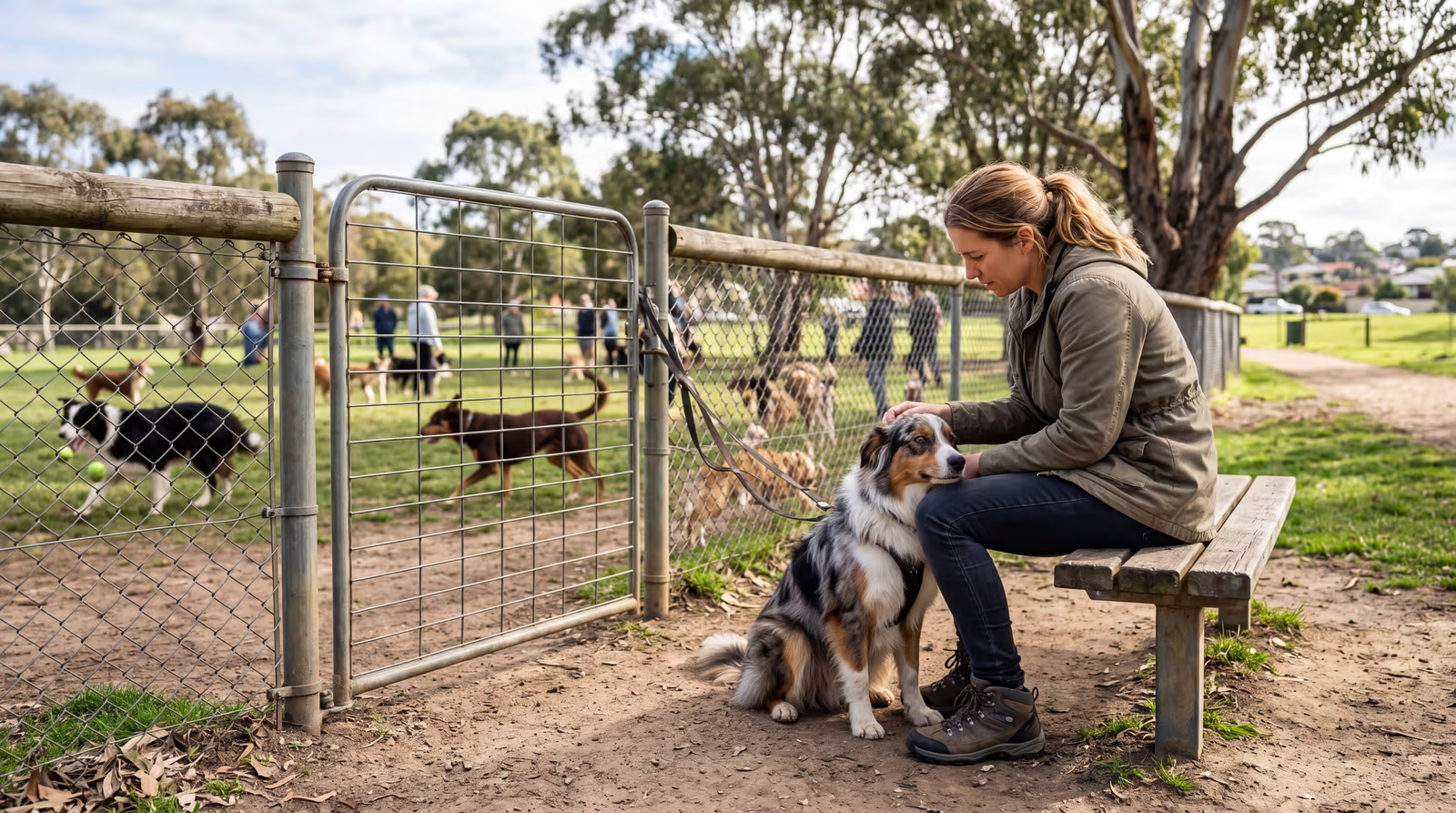
Separation Anxiety in Dogs and Dog Parks (2026): Can Exercise Help?
A guide to separation anxiety in dogs and the role of dog parks, how exercise and enrichment help, what they can't fix, building independence, and when to get help.
Separation anxiety in dogs is one of the most distressing problems for dogs and owners alike — if your dog falls apart when you leave the house, you’ll know exactly what we mean. It’s natural to wonder whether more exercise, a good run at the dog park before work, perhaps, might be the answer. The truth is nuanced: exercise genuinely helps, but it’s one piece of a bigger puzzle, and true separation anxiety needs a dedicated approach. This guide explains how the dog park fits in, what it can and can’t do, and how to actually help a dog who struggles with being alone.
When you’re ready for that pre-work run, browse the directory to find a park near you, or open the live map.
What separation anxiety actually is
It’s worth being precise, because “separation anxiety” gets used loosely. At its core, genuine separation anxiety is a panic disorder: the dog experiences real fear and distress at being left alone, not simply boredom or mischief. The behaviors people notice, barking and howling, chewing and scratching at doors and windows, toileting indoors despite being house-trained, pacing, drooling, refusing food, are symptoms of that panic, and they happen specifically when the dog is left or as the owner prepares to leave. A telltale sign is distress that builds while you put your shoes on or pick up your keys, before you’ve even gone.
This distinction matters because it shapes the solution. A dog who chews the couch out of boredom needs more exercise and enrichment. A dog who panics at being alone needs that plus a plan to change how they feel about being left. Confusing the two leads to a lot of frustration, because no amount of exercise will fully fix a fear-based panic response.
How exercise and the dog park genuinely help
So where does the dog park come in? A good off-leash session does several valuable things for an anxious dog. Physical exercise burns energy and lowers overall arousal, leaving your dog calmer and more inclined to rest. Mental stimulation from sniffing, exploring and socializing satisfies the brain in a way that a flat lead walk often doesn’t. And a tired, satisfied dog has a lower baseline of stress to begin with, which means they have more capacity to cope when you leave.
The practical upshot is that timing your dog’s exercise well can take real pressure off departures. A proper park run or a vigorous walk before you head out for the day means your dog is more likely to settle and sleep rather than spiral. For a mild case, or for a dog whose “anxiety” is really under-stimulation, this alone can make a noticeable difference. So a consistent exercise and enrichment routine is a genuinely useful foundation, it just isn’t the whole house.
What the dog park can’t fix
Here’s the honest limitation: for a dog with true separation anxiety, you cannot exercise the panic away. A dog can be physically exhausted and still panic the moment they’re left alone, because the fear isn’t about pent-up energy, it’s about the absence of their person. Owners who pour more and more exercise into the problem, hoping to tire the anxiety out of their dog, often end up exhausted and disheartened when it doesn’t work.
That’s not a reason to skip the exercise; it’s a reason to pair it with the actual treatment. Think of a great park routine as the supportive groundwork that makes the real behavior work more effective, rather than as a standalone cure.
Building independence and a real plan
Genuinely helping a dog with separation anxiety means gradually teaching them that being alone is safe. The cornerstone is desensitisation, building up your dog’s tolerance for being left in tiny, manageable increments, starting with departures so brief the dog doesn’t panic, and very slowly extending them over time so the dog never tips into distress. Alongside this, low-key departures and arrivals help enormously: making no fuss as you leave and come home teaches your dog that your comings and goings are unremarkable, rather than huge emotional events.
Enrichment plays a supporting role too. Leaving your dog with a long-lasting chew or a stuffed food toy as you go can create a positive association with alone time and give them something absorbing to do. A safe, comfortable space, perhaps with background noise and your scent, can help them feel secure. And keeping that exercise routine consistent means they start each alone-time session already relaxed — the same exercise-and-routine effect our mental health guide explores in depth. The key is that all of these work together, and that you build up gradually, never flooding your dog with more alone time than they can handle.
When to get professional help
Separation anxiety is a recognized, treatable condition, but it’s also a serious welfare issue, and the more severe cases genuinely need expert support. If your dog is causing themselves harm, if the distress is intense, or if your own efforts aren’t making headway, please reach out to your vet or a qualified, reward-based behaviorist. Your vet can rule out medical causes, and in some cases medication can take the edge off the panic enough for the behavior work to succeed. There’s no shame in getting help, it’s the kindest, most effective path for a dog in genuine distress, and it can transform life for both of you.
Frequently asked questions
Can the dog park help with separation anxiety?
It can help as part of the picture, but it isn’t a cure. A well-exercised, mentally satisfied dog generally copes better with alone time, so a good park routine before you leave can take the edge off. True separation anxiety, though, is a panic disorder that needs a dedicated behavior plan, exercise supports that work rather than replacing it.
Does more exercise fix separation anxiety?
Not on its own. Exercise helps a dog settle and reduces general arousal, which is valuable, but separation anxiety is rooted in panic at being left alone, not in having too much energy. Tiring a dog out helps them cope better but won’t resolve the underlying fear, which needs gradual desensitisation and often professional support.
What are the signs of separation anxiety in dogs?
Common signs that happen specifically when a dog is left alone include persistent barking or howling, destructive behavior (often around doors and windows), toileting indoors despite being house-trained, pacing, drooling, and not eating while alone. Distress that starts as you prepare to leave is a strong indicator.
How do I help a dog with separation anxiety?
Combine plenty of physical and mental exercise with a structured plan to build independence: gradual desensitisation to being left, low-key departures and arrivals, enrichment like food puzzles when alone, and a safe, comfortable space. For genuine separation anxiety, work with your vet or a qualified behaviorist, as it’s a treatable but serious condition.
Exercise helps, but treat the cause
The dog park is a wonderful ally for an anxious dog: a tired, satisfied dog copes far better with being left, and a solid exercise routine is a foundation worth building. Just keep your expectations honest. For genuine separation anxiety, pair that exercise with gradual desensitisation, calm routines and, where needed, professional help. Address the underlying fear, support it with great physical and mental exercise, and you give your dog the best chance of learning that being alone is nothing to fear.
Find a park for that pre-work run on DogParkFinder →, or open the live map. For more on keeping an anxious dog content, see our apartment dogs guide.
Compare nearby dog parks before you leave
Open the directory to check fenced status, reviews, photos, map distance, and local park details across the USA.
Keep reading
Puppy Socialization at Dog Parks (2026): When and How to Start Safely
A vet-informed guide to puppy socialization at dog parks, when it's safe to go, why it matters, how to introduce your puppy, and the mistakes that can backfire.
Reactive Dogs and Dog Parks (2026): A Realistic, Kind Guide
A realistic guide to reactive dogs and dog parks, whether to go, safer alternatives, how to manage a reactive dog, and how to rebuild confidence the right way.
How to Introduce Your Dog to the Dog Park (2026): A Step-by-Step Guide
A step-by-step guide to introducing your dog to the dog park, how to prepare, manage the first visit, read the play, handle problems, and build a confident park dog.