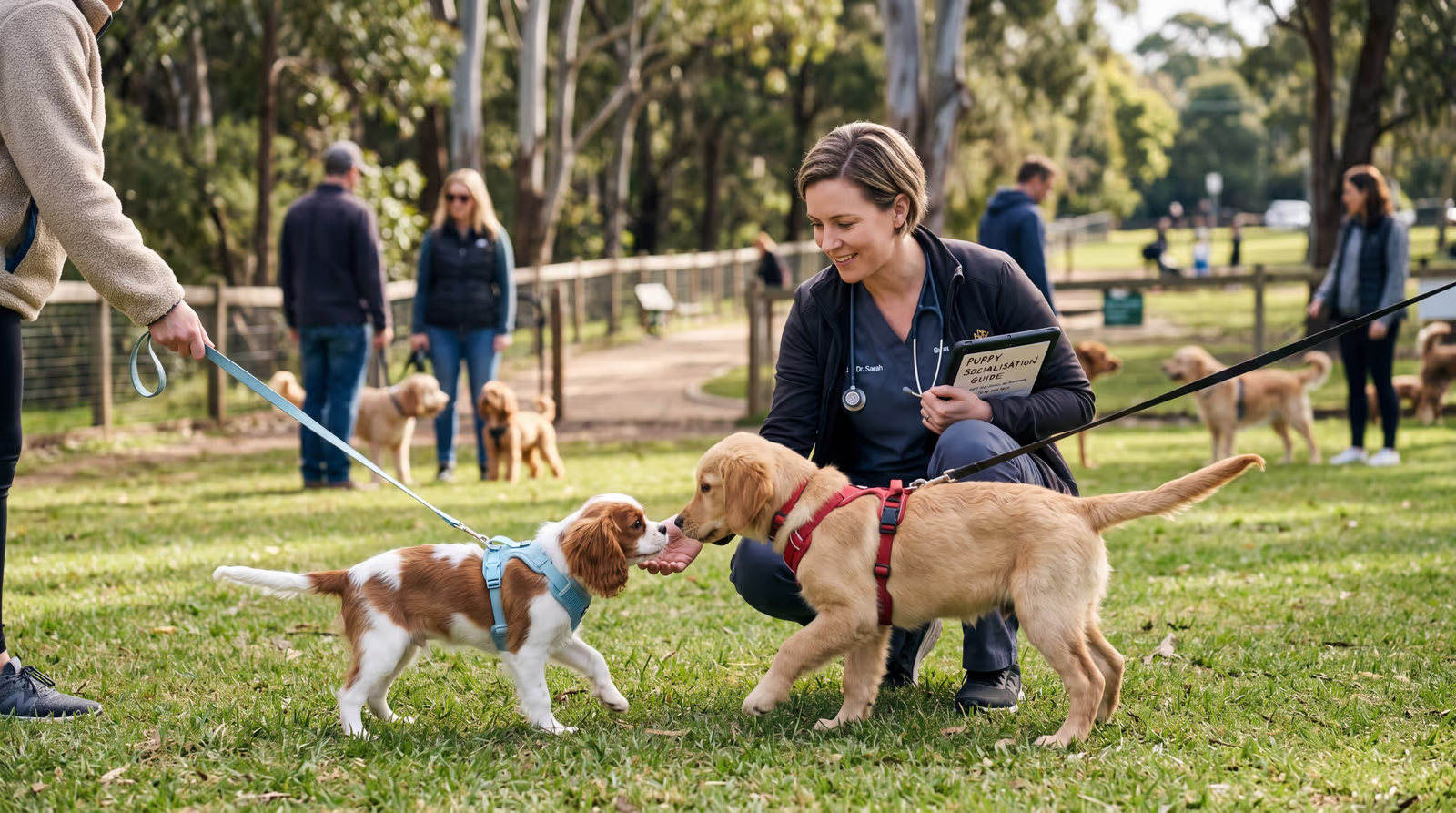
Puppy Socialization at Dog Parks (2026): When and How to Start Safely
A vet-informed guide to puppy socialization at dog parks, when it's safe to go, why it matters, how to introduce your puppy, and the mistakes that can backfire.
Getting puppy socialization right is one of the most important things you’ll ever do for your dog, and dog parks can play a part, as long as you time it well. Done thoughtfully, early socialization builds a confident, friendly adult dog; rushed or skipped, it’s the root of much of the fear and reactivity vets and trainers see. This guide explains when it’s safe to take a puppy to the dog park, why socialization matters so much, and how to do it without backfiring.
When your puppy is ready, browse the directory to find a calm, fenced park near you, or open the live map.
Why puppy socialization matters so much
Puppies have a critical socialization window, roughly 3 to 16 weeks of age, when their brains are primed to learn that new things are safe and normal. Positive experiences with other dogs, people, surfaces, sounds and places during this period lay the foundation for a well-adjusted adult dog.
Miss that window, or fill it with frightening experiences, and you dramatically increase the odds of fear, anxiety and reactivity down the track. That’s why vets and trainers put such emphasis on getting socialization right early, it’s far easier to build confidence now than to repair fear later.
The catch is timing: the socialization window overlaps with the period before your puppy is fully vaccinated, so you have to balance social experiences against disease risk.
When can a puppy go to the dog park?
The standard advice is to wait until your puppy is fully vaccinated, usually around 16 weeks, after the final round of puppy vaccinations, before visiting a public dog park. Always confirm the exact timing with your vet, as protocols vary.
This is because public parks carry a real risk of diseases like parvovirus, which can be deadly to an unvaccinated puppy. The ground and shared water bowls at a busy park are exactly where these bugs spread.
But here’s the important part: waiting for full vaccination doesn’t mean waiting to socialize. During those crucial early weeks, you can and should socialize your puppy safely in lower-risk ways:
- Puppy preschool, a well-run class with other vaccinated, age-matched puppies in a clean, controlled space.
- Playdates with healthy, fully vaccinated adult dogs you know and trust.
- Carrying your puppy out into the world to see, hear and smell new things from the safety of your arms.
- Calm meetings with friendly people of all kinds at home and on quiet outings.
How to introduce your puppy to the dog park
Once your puppy is fully vaccinated and reasonably confident, you can start introducing dog parks, gently:
- Choose the right park and time. A quiet, fully fenced park on a calm weekday morning is ideal. Avoid the busy, high-energy after-work rush.
- Watch from the edge first. Let your puppy take in the sights and sounds before joining in, so it’s not overwhelming.
- Keep it short and positive. Five or ten good minutes beats half an hour that ends in overwhelm. Finish while your puppy is still having fun.
- Steer towards gentle dogs. Calm, friendly adult dogs are wonderful teachers; steer your puppy away from rough or over-excited play.
- Don’t force it. Let your puppy choose to approach other dogs. Never drag them into an interaction they’re avoiding.
- Bring high-value treats. Reward calm, confident behavior and practice recall from the very start.
Our guide to dog park etiquette covers how to read the play and keep things safe.
Reading your puppy’s body language
Learning to read your puppy is the key to good socialization. Happy, confident body language is loose and wiggly, with a soft face and a willingness to explore. Signs your puppy is overwhelmed include tucking the tail, flattening the ears, trying to hide behind you, yawning or lip-licking out of context, or freezing.
If you see those signs, calmly create some distance and let your puppy reset. Pushing on through fear is how bad experiences happen, and during the socialization window, a single scary moment can leave a lasting mark.
Common puppy socialization mistakes
- Waiting too long to socialize. Some owners keep their puppy isolated until 16 weeks, missing the window entirely. Socialize safely in low-risk ways from the start.
- Going straight to a busy park. A chaotic, crowded park is a terrible first experience. Build up gradually.
- Forcing interactions. “Letting them sort it out” can terrify a puppy. Always give them a choice and an exit.
- Flooding. Too much, too soon, a wall of new dogs and people, overwhelms rather than socializes.
- Ignoring fear periods. Puppies go through normal fear periods where they’re more easily spooked; keep experiences extra gentle during these phases.
Socializing beyond other dogs
Good socialization isn’t only about meeting dogs, it’s about teaching your puppy that the whole world is safe and normal. During the socialization window, aim to give your puppy gentle, positive exposure to as many different things as you can:
- People of all kinds, children, men with beards, people in hi-vis, hats and uniforms, people using wheelchairs or walking sticks.
- Sounds, traffic, vacuum cleaners, thunderstorms (played quietly), doorbells and household noise.
- Surfaces, grass, gravel, tiles, metal grates, sand and wobbly things.
- Places, the vet clinic (just for a happy visit and a treat), cafes, car trips and quiet streets.
- Handling, gently touching paws, ears, mouth and tail so grooming and vet visits are easy later.
The golden rule is to keep every new experience positive and at your puppy’s pace. Pair new things with treats and praise, never force, and watch for signs of worry. A confident adult dog is built from hundreds of small, good experiences in these early weeks.
Keep it positive and patient
Socialization isn’t a box to tick, it’s an ongoing process that continues well past 16 weeks. Keep exposing your growing dog to new experiences through adolescence, keep rewarding calm and curious behavior, and don’t panic if there’s the odd wobble; adolescent dogs can be a bit unpredictable. Consistency, patience and a lot of positive experiences will carry you through to a happy, confident adult dog.
Frequently asked questions
When can my puppy go to the dog park?
Wait until your puppy is fully vaccinated, usually around 16 weeks, after the final puppy vaccination, and confirm the timing with your vet. Before then, socialize safely with healthy, vaccinated dogs you know, at home or at puppy school, rather than at a public dog park where the disease risk is higher.
Why is puppy socialization so important?
The socialization window, roughly 3 to 16 weeks, is when puppies most readily learn that the world is safe. Positive experiences with dogs, people, sounds and places during this period build a confident, well-adjusted adult. Missing it makes fear and reactivity far more likely later in life.
Are dog parks good for puppy socialization?
Dog parks can help once your puppy is fully vaccinated and confident, but they’re not the best starting point. Busy parks with unknown dogs can overwhelm or scare a puppy. Begin with calm, controlled meetings and puppy school, then introduce quiet dog parks gradually.
What if my puppy has a scary experience at the park?
A single frightening experience during the socialization window can have a lasting impact, so prevention matters. If it happens, stay calm, remove your puppy from the situation, and rebuild confidence slowly with positive, low-key experiences. If fear persists, speak to your vet or a qualified trainer.
Set your puppy up for life
Great puppy socialization is about quality, not quantity, a series of calm, positive, well-timed experiences that teach your puppy the world is a friendly place. Get the vaccination timing right, start gently, read your puppy closely, and the dog park becomes a wonderful part of their education rather than a risk.
When your puppy is ready, find a calm, fenced park near you on DogParkFinder →, with fencing status, photos and reviews, or open the live map. For nervous dogs, our reactive dogs guide and small dogs guide have more.
Compare nearby dog parks before you leave
Open the directory to check fenced status, reviews, photos, map distance, and local park details across the USA.
Keep reading
Reactive Dogs and Dog Parks (2026): A Realistic, Kind Guide
A realistic guide to reactive dogs and dog parks, whether to go, safer alternatives, how to manage a reactive dog, and how to rebuild confidence the right way.
How to Introduce Your Dog to the Dog Park (2026): A Step-by-Step Guide
A step-by-step guide to introducing your dog to the dog park, how to prepare, manage the first visit, read the play, handle problems, and build a confident park dog.
Separation Anxiety in Dogs and Dog Parks (2026): Can Exercise Help?
A guide to separation anxiety in dogs and the role of dog parks, how exercise and enrichment help, what they can't fix, building independence, and when to get help.